Kitchen Recycling Hacks That Save Space
The kitchen is where almost every can, bottle, and jug in your home is opened, and it is also the room with the least spare floor space. A recycling bin that overflows by Wednesday, a bag of empty cans hanging off a cabinet handle, and milk jugs piled on the counter are all signs that your kitchen recycling setup needs a rethink. The good news is that you do not need a bigger kitchen. A few simple habits and smarter containers can make recycling take up far less room. Here are practical kitchen recycling hacks that save space without making the routine more complicated.
Start With Your Local Recycling Rules
Every space-saving hack works better when you only keep what your program actually accepts. Check your city or waste hauler's website and note which materials go in curbside recycling, whether you need to sort them, and whether any items (such as plastic bags, certain plastics, or glass) are excluded. Anything your program does not take is just clutter in your kitchen bin.
If you are not sure which plastics count, our guide Which Plastic Bottles Are Recyclable? walks through the common bottle and jug types. If you live in a state with a container deposit, set redeemable containers aside separately so you can return them for a refund.
Hack 1: Use Vertical and Hidden Space
Floor space is the scarcest thing in a kitchen, so look up and look inside cabinets instead:
- Pull-out cabinet bins. A sliding two-bin unit under the sink or in a base cabinet keeps trash and recycling side by side and out of sight.
- Slim, tall bins. A narrow bin that fits between the fridge and a cabinet or at the end of an island often holds as much as a wide one while using less floor.
- Door-mounted organizers. A small rack on the inside of a pantry or cabinet door works well for collecting flattened cardboard from cereal and snack boxes.
- Stackable bins. If you need to sort, stacking bins with open fronts lets you use height instead of width.
Hack 2: Flatten Everything You Can
Empty cans, bottles, jugs, and boxes are mostly air. That air is what fills your bin so quickly. Flattening containers is the single most effective way to fit more recycling into the bin you already have.
- Cardboard boxes: Open both ends and fold them flat before they go in the bin.
- Plastic bottles and jugs: Remove the cap, squeeze out the air, and crush them. A cap left on traps air and makes the bottle spring back.
- Aluminum cans: Crushing by foot or by hand is tiring and uneven. A dedicated crusher makes it quick and consistent.
Before you flatten anything, check whether your local program has guidance on crushed containers, and keep deposit containers whole if you plan to redeem them. Our article Should You Crush Cans Before Recycling? covers the pros and cons.
Hack 3: Mount a Crusher on the Wall
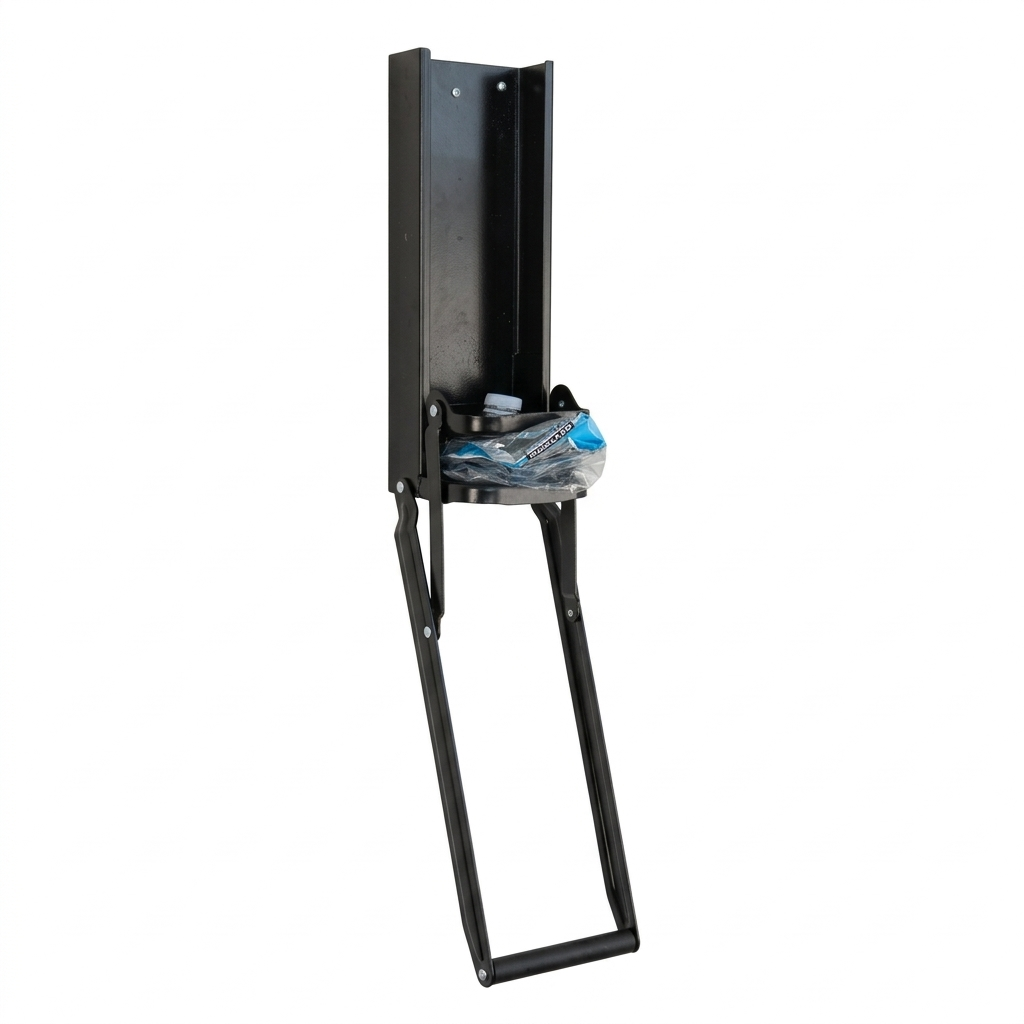
A countertop crusher takes up the very space you are trying to save. A wall-mounted crusher uses a spot of wall instead, such as inside a pantry, next to the back door, in a laundry or utility room off the kitchen, or in the garage just outside the kitchen door.
The bulkiest items in most kitchen recycling are not cans; they are 2-liter soda bottles and gallon milk and water jugs. Many small crushers only fit 12 oz cans, so those big containers stay full-size. BIG CAN CRUSHER is an all-metal, wall-mounted crusher with a chamber sized for 1-gallon jugs. It crushes 12 oz aluminum cans, 16.9 oz water bottles, 2-liter bottles, and gallon jugs. It is built for indoor use in a garage, kitchen, or utility room, installs in about 10 minutes, and comes with all mounting hardware.
For the easiest pull, mount it so the raised handle sits around chest-to-shoulder height, and put your recycling bin directly underneath so flattened containers drop straight in.
Hack 4: Rinse, Drain, and Uncap Right Away
A sticky bin is a bin people avoid, and avoided bins become piles on the counter. Build a ten-second habit at the sink:
- Give the container a quick rinse to remove leftover milk, soda, or juice.
- Turn it upside down for a moment in a dish rack or sink corner to drain.
- Take off the cap so it is ready to crush.
Clean, dry containers do not smell, do not attract insects, and can sit in a bin for days, which means fewer trips outside.
Hack 5: Use a Small Kitchen Bin and a Bigger Hub Elsewhere
You do not need to store a full week of recycling in the kitchen. Keep a small, easy-to-reach collection bin in the kitchen and empty it into a larger "hub" once or twice a week. The hub can be in the garage, a utility room, or near the curbside bin, and it is the natural place for your crusher. Our guide on how to set up a garage recycling station shows how to plan that layout.
This two-stage system keeps the kitchen tidy while still making recycling easy for everyone in the house.
Hack 6: Make Sorting Effortless
- Label bins clearly with words or pictures so family members and guests know what goes where.
- Keep a deposit bag on a hook if you redeem containers, so they never end up crushed by mistake.
- Tape a short list of local rules inside a cabinet door for quick reference.
- Collect caps in a small cup or jar and follow your local guidance on whether they go back on, go in the bin loose, or go in the trash.
Hack 7: Cut Down What Comes In
The most space-efficient recycling is the recycling you never create. A reusable water bottle, refill stations, or a home water filter can reduce the number of single-use bottles you bring home. Buying larger containers instead of many small ones also means fewer items to rinse and store. For more ideas, read how to cut your household recycling volume.
Safety Tips
Never put glass, aerosol cans, or containers that still have liquid inside into a can crusher. Keep children's hands away from the crushing area while the handle is in use. If you mount a crusher on the wall, use studs or solid backing and check that the mounting screws and pivot bolt stay snug after the first few weeks.
Practical Takeaway
Saving space in kitchen recycling comes down to three ideas: keep only what your program accepts, use hidden and vertical space instead of floor space, and flatten bulky containers before they go in the bin. A wall-mounted crusher that handles cans, water bottles, 2-liter bottles, and gallon jugs takes care of the biggest space hogs, and a small kitchen bin paired with a hub elsewhere keeps the room itself clutter-free.
FAQ
What is the best way to store recycling in a small kitchen?
Use a pull-out cabinet bin or a slim, tall bin to save floor space, keep only items your local program accepts, and empty a small kitchen bin into a larger hub in the garage or utility room once or twice a week.
Does crushing bottles and cans really save space?
Yes. Empty containers are mostly air, so flattening them lets far more fit in the same bin. Remove caps first so plastic bottles and jugs stay flat. Check your local program's guidance on crushed containers, and keep deposit containers whole if you plan to redeem them.
Can I mount a can crusher in the kitchen?
Yes. BIG CAN CRUSHER is built for indoor use, including kitchens, garages, and utility rooms. Choose a spot with studs or solid backing, mount it with the raised handle around chest-to-shoulder height, and place a bin directly underneath.
Will a can crusher handle milk jugs and 2-liter bottles?
Many small crushers only fit 12 oz cans. BIG CAN CRUSHER has a chamber sized for 1-gallon jugs, so it crushes gallon milk and water jugs, 2-liter bottles, 16.9 oz water bottles, and 12 oz aluminum cans.
Where can I find more answers about BIG CAN CRUSHER?
Visit the product page and our FAQ page for details on capacity, installation, shipping, and the 30-day money-back guarantee.
Crush gallon jugs, 2-liter bottles & cans in one pull
See the BIG CAN CRUSHER